
Therapeutic Intervention
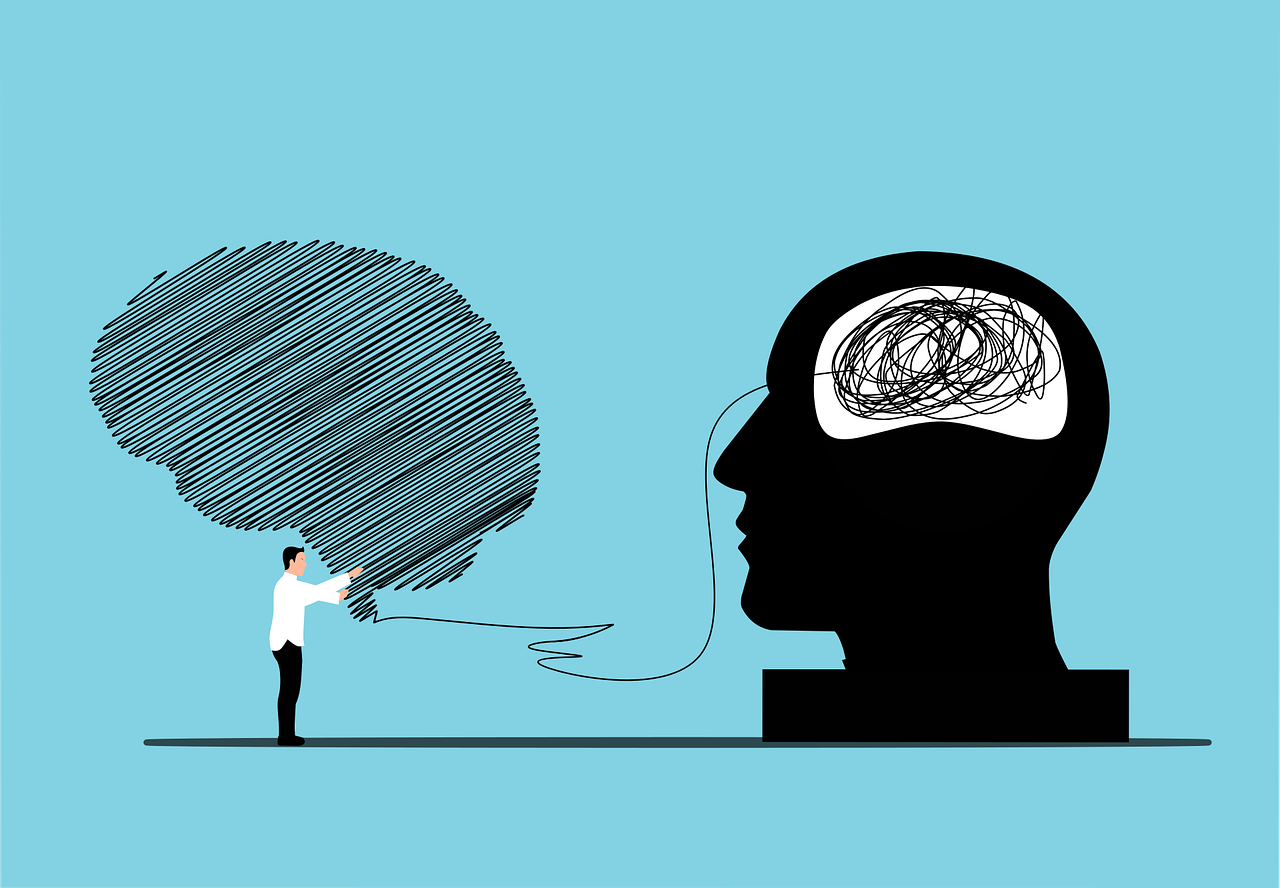
Cognitive Behavioral Therapy
Cognitive Behavioral Therapy, commonly known as CBT, is a widely practiced form of psychotherapy that focuses on the connection between our thoughts, emotions, and behaviors. It is based on the idea that negative patterns in thinking can lead to emotional distress and harmful behavior. By identifying and changing these patterns, individuals can improve their mental health and overall well-being.
What Is CBT?
CBT is a short-term, goal-oriented therapy that helps people address a wide range of mental and emotional challenges. It teaches practical strategies to:
- Recognize and challenge negative thoughts.
- Replace unhelpful beliefs with constructive ones.
- Modify behavior in ways that support emotional health.
How Does CBT Work?
CBT typically involves the following steps:
- Assessment – The therapist and client identify the main concerns, such as anxiety, depression, or unhelpful habits.
- Thought Monitoring – Clients learn to observe and record their thoughts, especially those that lead to distress.
- Cognitive Restructuring – The therapist guides the client to challenge irrational or harmful thoughts and replace them with healthier ones.
- Behavioral Techniques – Activities such as exposure therapy, role-playing, or journaling help reinforce new ways of thinking and acting.
- Practice and Reflection – Clients apply these strategies in real-life situations, review outcomes, and make further adjustments.
Also read: How Self-Development Complements CBT
Mental Well-being is so much important in order to survive in today's world.
Anisa
Clinical Psychologist
Interested in exploring therapy options? Book a session with a certified psychologist today.
Benefits of CBT
CBT is evidence-based and has proven effective for various conditions, including:
- Anxiety disorders (e.g., panic attacks, phobias)
- Depression
- Obsessive-compulsive disorder (OCD)
- Post-traumatic stress disorder (PTSD)
- Eating disorders
- Addiction
- Stress and anger management
Who Can Provide CBT?
CBT is usually provided by trained mental health professionals such as:
- Clinical psychologists (Ph.D. or Psy.D.)
- Licensed professional counselors (LPC)
- Licensed clinical social workers (LCSW or MSW)
- Psychiatrists trained in psychotherapy
Is CBT Right for You?
CBT is suitable for people of all ages—including children, teenagers, and adults. It may be particularly beneficial for those who:
- Struggle with persistent negative thinking
- Experience frequent worry or fear
- Want to change a specific behavior or habit
- Seek coping skills to manage stress or emotional challenges
Related: Counselling Techniques vs CBT
CBT
- CategoryPsychology, CBT Therapy
- Psychology of Ages
- Visit Website