
I am a psychologist who studies the patterns of Panic Attacks, Causes and Recovery. Read this article till the end to explore psychological insights about panic attacts and coping strategies.
Panic attacks represent some of the most harrowing psychological experiences that individuals can face. For those encountering panic attacks for the first time, the sensation can be so intense that it creates the impression of having a heart attack, losing sanity, or even facing imminent death. The overwhelming physical and emotional manifestations of panic attacks foster feelings of confusion and fear, often leading individuals to dread the possibility of future episodes.
From the perspective of mental health professionals such as psychologists, counselors, and therapists, panic attacks do not signify a lack of strength, personal failure, or insanity. Rather, these episodes consist of heightened feelings of fear and anxiety stemming from an intricate interplay of neurological factors, emotional responses, and various life experiences.
Despite their distressing nature, panic attacks are manageable with the right therapeutic interventions. Recent advancements in psychological research have enhanced our comprehension of their underlying causes, neurological mechanisms, and effective treatment modalities. With appropriate education, psychological support, therapy, and self-help strategies, individuals can not only learn to manage their panic episodes but also work towards recovering their confidence in day-to-day activities.
This article delves into the phenomenon of panic attacks from a psychological standpoint, outlining their causes, symptoms, risk factors, therapeutic interventions, and evidence-based strategies for recovery.
Learn more about How Self Development Skills helps you to manage stress and healthy aging?
What Is a Panic Attack?
A panic attack is characterized by an abrupt surge of uncontrollable fear or discomfort that peaks within a few minutes. During an attack, the body's innate fight-or-flight mechanism becomes engaged, triggered by the perceived threat even when there is no actual danger present.
The term "panic" has roots in Greek mythology, named after the god Pan, whose sudden appearances were thought to evoke extreme fear among travelers. Similarly, modern panic attacks often strike without warning, creating a profound sense of unease.
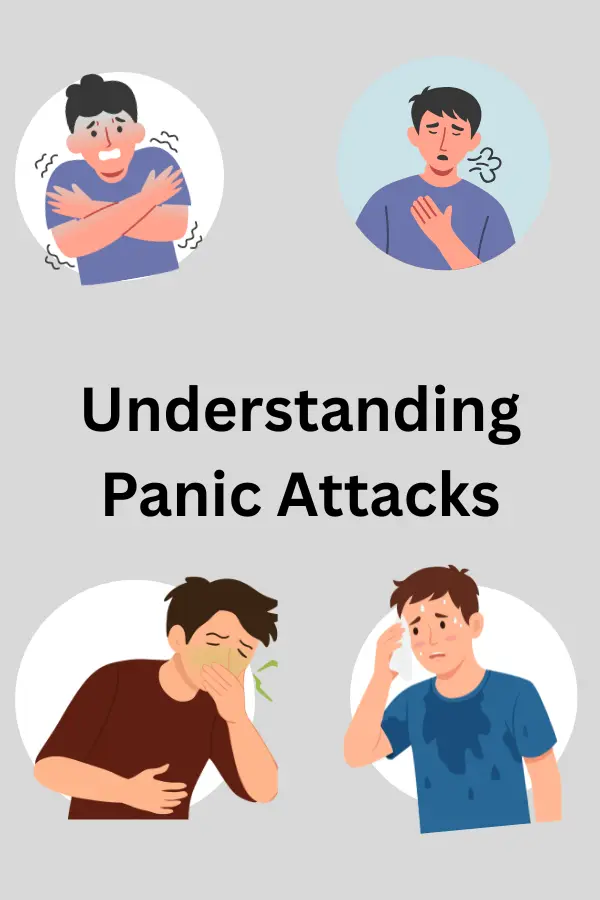
According to psychological definitions, panic attacks encompass both emotional and physical symptoms, which may manifest as:
- Rapid heartbeat
- Chest pain or discomfort
- Excessive sweating
- Tremors or shaking
- Shortness of breath
- Dizziness or lightheadedness
- Feelings of unreality or derealization
- Intense fear of losing control
- Fear of dying
From a therapist's perspective, a notable distressing element during these episodes is the overwhelming belief that a catastrophic event is unfolding, despite the individual being in a safe environment.
Understanding the Fight-or-Flight Response:
To better understand panic attacks, it's essential to grasp the concept of the fight-or-flight response. This physiological reaction is a natural survival mechanism designed to protect individuals from potential danger. When the brain perceives a threat, the sympathetic nervous system is activated, triggering the release of stress hormones such as adrenaline and cortisol. These hormones prepare the body to tackle the threat in one of two ways:
- Fight:Confront the perceived danger./li>
- Flight:Evacuate the danger zone.
Consequently, the fight-or-flight response results in:
- Increased heart rate
- Rapid breathing
- Heightened alertness
- Muscle tension
- Enhanced blood flow to essential muscle groups
In authentic emergency situations, this response plays a critical role in survival. However, during a panic attack, the brain mistakenly triggers this alert system when no actual threat exists. Psychologists often refer to panic attacks as "false alarms," generated by an overly sensitive threat detection mechanism.
Common Symptoms of Panic Attacks:
Physical Symptoms:
Many physical symptoms experienced during panic attacks mimic those of serious medical conditions. These may include:
- Palpitations or racing heart
- Tightness or pain in the chest
- Difficulty breathing
- Excessive sweating
- Trembling
- Chills or hot flashes
- Dizziness or lightheadedness
- Tingling sensations
- Muscle tension
Due to the severity of these symptoms, many individuals seek immediate medical assistance during their initial episode, fearing they are experiencing a life-threatening condition.
Emotional Symptoms:
The emotional experience accompanying a panic attack can be equally debilitating. Common emotional symptoms include:
- Intense feelings of fear or anxiety
- An impending sense of doom
- Pervasive fear of death
- Fear of losing sanity or control
- A sense of helplessness
Clients frequently report that panic attacks are among the most terrifying experiences they have ever encountered.
Cognitive Symptoms:
Cognitive symptoms involve specific thought patterns and interpretations during an attack. These may manifest as:
- "I'm having a heart attack."
- "I'm going crazy."
- "I'm going to pass out.
- "I won't survive this."
These catastrophic interpretations can amplify the panic response, creating an overwhelming cycle of fear.
What Causes Panic Attacks?:
Panic attacks do not arise from a singular cause. Instead, multiple, intersecting factors contribute to their onset.
1. Genetic Factors:
Research indicates that panic disorders tend to run in families. Individuals with relatives who have experienced panic attacks or anxiety disorders may have an increased susceptibility to developing similar conditions. Genetic influences can significantly impact anxiety vulnerability, although environmental factors are equally influential.
2. Brain Function and Neurobiology:
Contemporary neuroscience has pinpointed several areas of the brain involved in panic attacks.
3. Chronic Stress:
Chronic stress stands out as a significant contributor to the onset of panic attacks. Long-term exposure to stressors can overwhelm the nervous system. Common sources of chronic stress encompass:
- Financial troubles
- Relationship issues
- Workplace pressures
- Academic challenges
- Caregiving responsibilities
Therapists frequently observe that panic attacks often emerge when individuals have been carrying emotional burdens for extended periods.
4. Trauma and Adverse Life Experiences:
A strong connection exists between trauma and the development of panic symptoms. Traumatic events may include:
- Physical or emotional abuse
- Neglect
- Exposure to violence
- Serious accidents
- The loss of a loved one
Numerous studies have documented an elevated prevalence of panic disorder among individuals with a history of trauma. Adverse experiences can lead to a nervous system that remains highly vigilant to perceived threats.
5. Catastrophic Thinking:
Catastrophic thinking represents one of the primary psychological factors contributing to panic attacks. This occurs when ordinary bodily sensations are interpreted as indicators of disaster. For example, a rapid heartbeat may be misinterpreted as "I'm having a heart attack," while dizziness signals "I'm about to lose consciousness." Cognitive psychology suggests that such interpretations can create a feedback loop that exacerbates panic symptoms.
The Panic Cycle:
Psychologists often explain the occurrence of panic attacks through the panic cycle model, which consists of sequential steps:
- A benign bodily sensation occurs (e.g., a slight increase in heart rate).
- This sensation is incorrectly interpreted as dangerous.
- Fear spikes in response to this interpretation.
- Adrenaline levels rise as a result of the fear response.
- Physical symptoms intensify.
- The individual becomes increasingly alarmed.
This cycle continues until the panic attack reaches its peak, leaving the individual feeling overwhelmed and exhausted. Understanding this cycle can serve as a significant breakthrough during therapeutic sessions.
Panic Attacks vs. Panic Disorder:
A panic attack does not automatically indicate that someone has panic disorder.
Psychologists diagnose panic disorder when the fear of experiencing additional panic attacks begins to disrupt daily life functioning.
Research Findings on Panic Attacks:
According to data from the National Institute of Mental Health (NIMH), panic disorder affects millions of adults, with a notably higher incidence rate in women compared to men. Panic disorder typically manifests in late adolescence or early adulthood.
Research Finding 2: Effectiveness of Cognitive Behavioral Therapy:
Extensive studies have established that Cognitive Behavioral Therapy (CBT) is one of the most effective therapeutic approaches for treating panic disorder. Meta-analyses have consistently demonstrated significant reductions in panic symptoms among individuals undergoing CBT. Importantly, many patients maintain their improvements long after completing treatment.
Research Finding 3: Exposure Therapy Success:
Research has shown that exposure-based interventions can substantially diminish panic symptoms and related avoidance behaviors. Through repeated exposure to feared sensations or situations, individuals learn that their fears are unfounded.
Therapeutic Approaches to Recovery:
From a therapeutic viewpoint, the recovery process emphasizes changing both cognitive patterns and physiological responses associated with panic attacks.
1. Cognitive Behavioral Therapy (CBT):
CBT centers on recognizing and altering unhelpful thought patterns. Clients learn to:
- Challenge catastrophic thoughts.
- Reinterpret bodily sensations.
- Implement healthier coping mechanisms.
Due to its robust empirical support, CBT remains one of the most thoroughly researched interventions in treating panic disorder.
2. Exposure Therapy:
Exposure therapy gradually familiarizes clients with feared physical sensations or contexts. Examples might include:
- Controlled breathing exercises.
- Visiting locations previously avoided due to panic triggers.
- Engaging in physical activities.
The intent is to allow individuals to understand that these experiences pose no real danger, ultimately reducing their fear over time.
3. Mindfulness-Based Therapy:
Mindfulness practices train individuals to observe their thoughts and bodily sensations without judgment, fostering:
- Diminished anxiety levels.
- Improved emotional regulation.
- Greater awareness of personal triggers.
- Enhanced resilience over time.
By practicing mindfulness, individuals can disrupt the cycle of fear and avoidance that often accompanies panic attacks.
4. Acceptance and Commitment Therapy (ACT):
ACT encourages individuals to embrace uncomfortable experiences rather than attempt to escape them. The intervention focuses on vital aspects such as:
- Psychological flexibility
- Acceptance of experiences
- Pursuing personal values
- Taking meaningful steps toward life goals.
Research indicates that ACT shows promise for managing anxiety-related conditions.
5. Trauma-Informed Therapy:
In instances where panic attacks are associated with unresolved trauma, specialized trauma-informed approaches may be necessary. Such therapies can assist clients in:
- Processing past traumas.
- Diminishing hyper-vigilance.
- Restoring emotional safety and stability.
Personal Practices for Recovery:
Recovery encompasses more than just therapeutic interventions; lifestyle and personal practices play critical roles in managing panic attacks effectively.
1. Breathing Techniques:
Implementing slow and controlled breathing techniques can help normalize the nervous system’s response. A popular breathing exercise involves:
- Inhaling for 4 seconds
- Holding the breath for 4 seconds
- Exhaling for 6 seconds
This practice aids in regulating physiological arousal and promoting a sense of calm.
2. Regular Physical Exercise:
Engaging in regular physical activity contributes to:
- Reduced levels of stress hormones
- Improved mood and emotional well-being
- Better sleep quality
- Enhanced resilience to anxiety triggers
Numerous studies highlight the strong correlation between exercise and decreased anxiety levels.
3. Quality Sleep:
Insufficient sleep can heighten sensitivity to anxiety and susceptibility to panic attacks. Healthy sleep practices include:
- Adhering to a consistent sleep schedule.
- Reducing caffeine consumption, especially in the evenings.
- Limiting screen time before bedtime.
4. Reducing Caffeine and Stimulants:
Caffeine can provoke or exacerbate panic symptoms by elevating:
- Heart rate
- Feelings of nervousness
- Restlessness
Therapists often counsel clients to monitor or limit caffeine intake to help alleviate panic symptoms.
5. Developing Emotional Awareness:
Cultivating emotional awareness is essential for preventing escalating stress levels. Activities such as journaling, counseling, and self-reflection can significantly enhance emotional insight.
Common Myths About Panic Attacks:
Myth 1: Panic Attacks Are Dangerous:
Although panic attacks are frightful, they are generally not life-threatening. The symptoms stem from the body’s alarm response rather than an actual hazardous event.
Myth 2: Panic Attacks Indicate You Are Losing Your Mind:
Panic attacks relate to anxiety rather than insanity. Individuals facing panic attacks remain grounded in reality.
Myth 3: Recovery Is Not Possible:
Contrary to this belief, research consistently supports the notion that recovery from panic attacks is feasible through evidence-based treatment and healthy coping mechanisms. Many people either fully recover or achieve notable improvements.
The Therapist's Perspective on Recovery:
One crucial message that therapists share is that panic attacks are indeed treatable. The objective extends beyond merely alleviating symptoms; it encompasses equipping individuals to cultivate:
- Emotional resilience.
- Self-awareness and understanding.
- Confidence in their coping abilities.
Many clients initially approach panic attacks with fear due to a lack of understanding about them. An increase in education often serves to significantly diminish that fear. As individuals become educated about their panic experiences, those episodes often lose their sense of power.
Conclusion:
Panic attacks are among the most intense expressions of anxiety, yet they remain consistently misunderstood. They occur when the body's alarm system is triggered without real danger present, resulting in an array of powerful physical, emotional, and cognitive symptoms.
Contributing factors include genetic predispositions, chronic stress, trauma histories, patterns of catastrophic thinking, and heightened anxiety sensitivity. Thankfully, extensive research within psychology has established that panic attacks are highly treatable through methodologies such as Cognitive Behavioral Therapy, exposure therapy, mindfulness-based interventions, and trauma-informed practices.
Recovery is neither immediate nor simple, but it is attainable. Through educational initiatives, skilled therapeutic support, increased emotional awareness, the adoption of healthy lifestyle habits, and continued practice, individuals can retrain their nervous systems, ultimately regaining a sense of safety and control.
From the perspective of psychologists, counselors, and therapists, panic attacks do not imply weakness or failure. They serve as signals from an overwhelmed nervous system in need of acknowledgment, understanding, and healing. With the correct interventions and a compassionate approach to themselves, individuals can transcend fear and construct lives characterized by confidence rather than anxiety.
📚 Refrences:
- Hofmann, S. G., & Smits, J. A. J. (2008). *Cognitive-behavioral therapy for adult anxiety disorders: A meta-analysis of randomized placebo-controlled trials. (For Research finding 2 ).
- Craske, M. G., Treanor, M., Conway, C. C., Zbozinek, T., & Vervliet, B. (2014). *Maximizing exposure therapy. (For Research finding 3).