
The Correlation Between Stress and Aging
Aging is a natural biological process, but the experience of aging is influenced by much more than the passage of time. Stress, sleep, emotional wellbeing, health behaviors, social connection, and the way a person responds to ongoing challenges can all shape how well they adapt across different stages of life. Research has therefore explored whether prolonged psychological stress is associated with markers of biological aging and poorer health outcomes.
The relationship is not as simple as saying that stress directly causes a person to age faster. Stress is one factor within a much larger system that includes genetics, environment, physical health, socioeconomic circumstances, behavior, and access to care. Understanding this distinction helps us discuss stress and aging without turning a complex scientific relationship into a single-cause explanation.
This article examines the psychological and biological pathways through which chronic stress may affect wellbeing, why prolonged stress can become difficult to regulate, and which practical and therapeutic strategies can support healthier aging.
You may also find our guides on self-talk and psychological wellbeing and self-development and personal growth useful when exploring the psychological side of stress management.
1. What Is Stress?
Stress is a psychological and physiological response that occurs when a person perceives demands, uncertainty, threat, or challenge. A short period of stress can be adaptive: it can increase alertness, attention, and energy when a situation requires action. The concern arises when stress becomes frequent, intense, or difficult to recover from.
Acute Stress
Acute stress is usually short-term and may occur around events such as an examination, job interview, presentation, conflict, or unexpected problem. Once the situation passes, the body can normally begin returning toward its baseline state.
Chronic Stress
Chronic stress continues over a prolonged period. Financial pressure, ongoing workplace demands, difficult relationships, caregiving responsibilities, unresolved trauma, persistent uncertainty, or long-term health concerns can contribute to it. When recovery periods are limited, repeated activation of the stress response can place additional demands on both psychological and physical systems.
2. Why Chronic Stress Matters for Healthy Aging
Healthy aging is not simply the absence of wrinkles or illness. It includes maintaining physical function, cognitive health, emotional balance, meaningful relationships, independence, and the ability to adapt to change. Chronic stress can interfere with several of these areas indirectly by affecting sleep, mood, concentration, motivation, daily habits, and coping capacity.
This is why stress management is better understood as part of overall wellbeing rather than as a promise to stop or reverse aging. Reducing unnecessary stress may help a person protect the resources they need for healthier functioning across the lifespan.
3. The Stress Response and the HPA Axis
One important biological system involved in stress is the hypothalamic-pituitary-adrenal (HPA) axis. In response to perceived stress, this system helps coordinate hormonal and physiological changes, including the release of cortisol. Cortisol is essential for normal stress regulation and helps the body mobilize energy and respond to challenges.
Problems can arise when stress responses are repeatedly activated without adequate recovery. Long-term stress exposure has been associated with changes in sleep, immune and inflammatory processes, metabolism, mood, and cardiovascular functioning. These relationships are complex and vary between individuals.
4. Stress, Inflammation and the Aging Process
Chronic psychological stress has been studied in relation to inflammatory activity and other biological processes involved in health and aging. Persistent stress can also encourage behaviors such as poor sleep, physical inactivity, irregular eating, or increased substance use, which may independently affect health.
It is therefore useful to think of stress as part of an interconnected pathway rather than a single mechanism: psychological strain can influence physiology and behavior, while physical health problems can in turn increase psychological stress.
5. Telomeres and Cellular Aging
Telomeres are protective DNA-protein structures at the ends of chromosomes. They generally become shorter as cells divide and with increasing age. Researchers have investigated whether chronic psychological stress is associated with differences in telomere length because telomere shortening is one of several biological markers studied in relation to cellular aging.
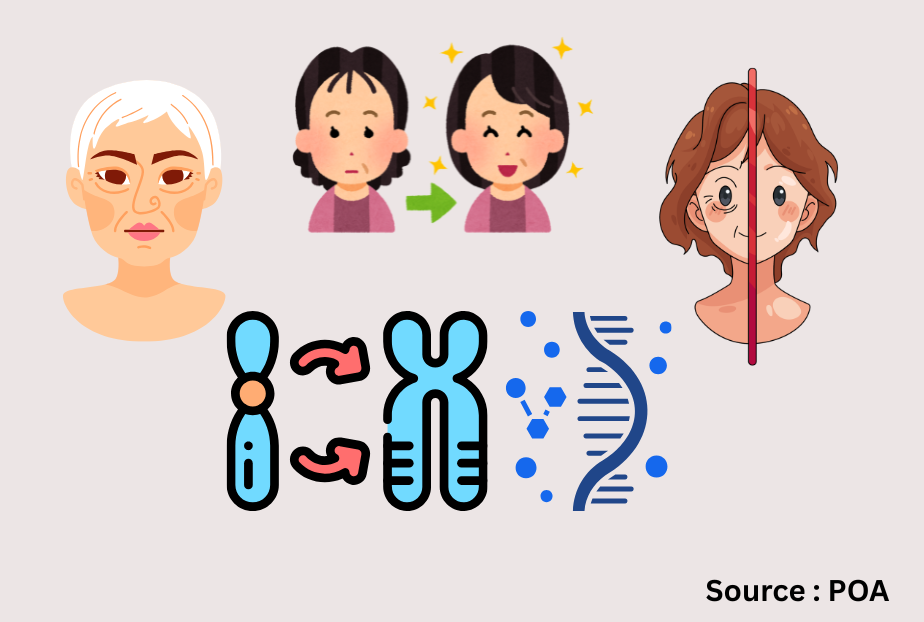
Studies have reported associations between perceived stress and telomere length, but these findings should not be interpreted as proof that stress alone determines a person's biological age. Telomere biology is influenced by multiple factors, and research continues to examine the strength and meaning of these associations.
6. How Chronic Stress Can Affect the Brain
Prolonged stress can influence attention, memory, sleep, emotional regulation, and the way a person interprets potential threats. Two brain regions frequently discussed in stress research are the hippocampus and amygdala.
The Hippocampus
The hippocampus is involved in learning and memory. Persistent stress is associated with changes in hippocampal functioning, while poor sleep and ongoing anxiety can further interfere with concentration and memory in everyday life.
The Amygdala
The amygdala contributes to emotional and threat processing. When a person remains highly alert to possible danger, ordinary situations may feel more demanding, which can maintain a cycle of worry, physiological arousal, and fatigue.
7. Psychological Factors That Can Intensify Stress
Stress is shaped not only by external circumstances but also by how situations are interpreted and managed. Several psychological patterns can make recovery more difficult.
- Persistent worry: repeatedly anticipating negative outcomes can keep attention focused on threat.
- Hypervigilance: constantly scanning for danger can make relaxation difficult.
- Negative self-talk: harsh or hopeless internal dialogue can increase emotional strain.
- Unresolved emotional experiences: difficult experiences may continue to affect coping when they have not been adequately processed.
- Low perceived control: feeling unable to influence important parts of life can increase helplessness and stress.
- Social isolation: limited emotional support can reduce opportunities for reassurance, connection, and practical help.
Learning to recognize these patterns does not mean blaming a person for their stress. Psychological factors operate within real-life circumstances, and sometimes external pressures genuinely need to change.
8. Stress, Sleep and Aging
Sleep and stress can reinforce one another. Ongoing worry may make it harder to fall asleep or stay asleep, while insufficient or disrupted sleep can make emotional regulation and coping more difficult the following day. Over time, this cycle can affect energy, concentration, mood, and daily functioning.
A consistent sleep routine, a suitable sleep environment, and addressing persistent sleep problems can therefore be important parts of a broader healthy-aging strategy.
9. Stress and Emotional Wellbeing
Long-lasting stress can contribute to irritability, emotional exhaustion, anxiety symptoms, low mood, reduced motivation, and difficulty concentrating. These experiences may also make healthy routines feel harder to maintain.
If stress is affecting daily functioning, relationships, sleep, or mood for a sustained period, professional support can help identify contributing factors and develop appropriate coping strategies. Our therapeutic interventions resource provides a broader introduction to therapy-related approaches.
10. Lifestyle Behaviors That Support Healthy Aging
Managing stress is not about achieving a permanently calm life. It is about building recovery, flexibility, and sustainable habits. Helpful foundations can include:
- Regular physical activity appropriate to your health and abilities.
- A consistent and sufficient sleep routine.
- Balanced nutrition and regular meals.
- Meaningful social connection and supportive relationships.
- Time for enjoyable and restorative activities.
- Healthy boundaries around work and caregiving demands.
- Professional support when stress becomes difficult to manage independently.
11. The Role of Exercise in Stress Regulation
Physical activity can support mood, sleep, cardiovascular health, mobility, and stress regulation. The most useful approach is usually one that is safe, realistic, and sustainable rather than an extreme routine that creates additional pressure. Even modest regular movement can contribute to overall wellbeing.
12. Mindfulness and Breathing Practices
Mindfulness involves paying attention to present-moment experience with greater awareness and less automatic judgment. Slow breathing and relaxation practices can also help some people reduce physiological arousal. These practices are tools for regulation, not guarantees of biological reversal, and their usefulness varies between individuals.
13. Emotional Expression and Self-Talk
Suppressing emotions or repeatedly criticizing oneself can add to psychological strain. Journaling, talking with a trusted person, creative activities, therapy, and more balanced self-talk can provide healthier ways to process difficult experiences.
14. Social Connection and Healthy Relationships
Supportive relationships can provide emotional reassurance, practical assistance, companionship, and a sense of belonging. Healthy connection does not mean avoiding all conflict; it means having relationships in which communication, boundaries, respect, and repair are possible. You can explore these principles further in the Healthy Relationship Guide.
15. Therapy and Stress Management
Psychological therapy can help people understand stress patterns, develop coping skills, challenge unhelpful thinking, process difficult experiences, and improve emotional regulation. Depending on the person's needs, approaches may include cognitive behavioral strategies, mindfulness-based interventions, trauma-informed therapy, counseling, or other evidence-informed methods.
Therapy should be individualized rather than presented as a single solution for everyone. Persistent physical symptoms or concerns about aging should also be discussed with an appropriate medical professional.
16. A More Balanced View of Stress and Aging
The most useful conclusion is not that stress determines how quickly someone ages. Aging is multifactorial, and people differ substantially in biology, circumstances, coping resources, and health behaviors. Instead, research on stress and aging highlights the importance of protecting recovery, emotional wellbeing, physical health, and social connection over time.
This perspective also avoids the idea that every visible sign of aging is caused by psychological stress. Wrinkles, gray hair, fatigue, or changes in memory can have many causes, including normal aging and medical or lifestyle factors.
17. Practical Stress-Reduction Checklist
A simple weekly check-in can help you notice where stress is accumulating:
- Am I getting enough restorative sleep?
- Am I moving my body regularly?
- Have I had meaningful contact with supportive people?
- What situation is creating the most stress right now?
- Can I change the situation, change my response, or ask for help?
- Am I using self-talk that helps me cope rather than intensifying the problem?
- Do I need professional support for persistent stress, anxiety, low mood, or sleep difficulties?
Conclusion: Stress Management Is Part of Healthy Aging
The correlation between stress and aging is an important area of psychological and biological research, but it is a complex relationship rather than a simple cause-and-effect equation. Chronic stress can affect emotional regulation, sleep, behavior, physiological stress systems, and other processes relevant to long-term health. Research on telomeres and cellular aging adds another area of investigation, while also reminding us that biological aging is influenced by many factors.
Supporting healthy aging therefore means looking beyond appearance. Building recovery into everyday life, maintaining meaningful relationships, developing realistic coping strategies, caring for physical health, and seeking professional help when needed can all contribute to better wellbeing across the lifespan.
For more practical guidance, explore Psychology of Ages resources on self-development, self-talk, healthy relationships, and therapeutic interventions.
Telomeres and Cellular Aging:
One of the most important discoveries linking stress and aging involves telomeres.
Psychological Reasons Why Stress Accelerates Aging:
Several psychological factors contribute to the relationship between chronic stress and accelerated aging:
1. Persistent Anxiety and Hypervigilance:
Individuals grappling with chronic anxiety often find themselves in a state of hypervigilance, where their nervous systems are in a constant cycle of expecting danger. Research indicates that this persistent state of anticipation correlates with shorter telomeres, leading to increased exhaustion of the nervous system and emotional burnout.
2. Unresolved Trauma:
Traumatic experiences, especially in childhood, often leave lasting psychological scars. Survivors may endure chronic stress, emotional dysregulation, sleep disturbances, and heightened anxiety or depression. Over time, these patterns can contribute to accelerated aging, manifesting physically as fatigue, premature wrinkles, and chronic inflammation.
3. Depression and Emotional Hopelessness:
Depression extends beyond mood alterations; it affects hormonal balance, motivation, sleep cycles, and immune function. Studies reveal that individuals experiencing depression may inadvertently neglect crucial self-care aspects—like nutrition and social interactions—thereby exacerbating aging processes.
4. Social Isolation and Loneliness:
Human beings are inherently social creatures, biologically wired for connection. Chronic loneliness creates a mental strain that can worsen mental instability. Psychologists have noted that social isolation is linked to heightened risks of anxiety, depression, cognitive decline, and even increased mortality. Conversely, emotionally supportive relationships can provide essential protective factors against stress-related aging.
5. Chronic Negative Thinking:
The brain often struggles to differentiate between real and perceived danger. Continuous negative thinking activates stress pathways that elevate cortisol levels, disrupt sleep, and drain emotional energy. Therapy frequently focuses on helping individuals identify and alter these negative patterns, providing avenues for greater emotional and biological health.
Visible Effects of Stress on Aging:
The impacts of stress are evident on both emotional and physical fronts. Common signs that indicate stress-related aging include:
- Premature wrinkles
- Hair loss or graying
- Chronic fatigue
- Dark circles under the eyes
- Skin inflammation
- Poor posture
- Low energy levels
- Cognitive decline and memory challenges
Moreover, stress can lead to unhealthy lifestyle choices that further accelerate aging, such as poor dietary habits, substance misuse, and insufficient sleep.
The Brain and Aging Under Stress:
Chronic stress tells two significant stories in terms of its impact on the brain
Hippocampus and Memory:
The hippocampus, a crucial region for memory and learning, is particularly sensitive to cortisol. Prolonged stress can lead to memory decline, difficulties in concentration, and reduced emotional regulation.
Amygdala Activation:
The amygdala, which plays a critical role in processing fear responses, tends to become hyperactive under chronic stress conditions. This establishes a detrimental cycle of stress leading to fear, which in turn elevates cortisol levels, perpetuating further stress. Therapeutic approaches often focus on breaking this cycle, fostering healthier emotional responses and cognitive patterns.
Research Findings on Stress and Aging:
Numerous studies have explored the intricate connections between psychological stress and aging.
Research Finding 1: Stress and Telomere Shortening
A systematic review has established a significant link between perceived stress and telomere length, suggesting that chronic psychological distress biologically accelerates aging processes.
Research Finding 2: Cortisol and Cellular Aging
In a longitudinal study, individuals demonstrating heightened cortisol responses to stress were found to experience accelerated telomere shortening. Researchers inferred that increased cortisol reactivity could result in an additional two years of biological aging.
Research Finding 3: Mindfulness and Cellular Protection
A meta-analysis examining mindfulness interventions indicates that practices fostering mindfulness positively affect telomere length and telomerase activity. This underscores the potential of psychological interventions in promoting healthier aging at the cellular level.
Therapeutic Interventions for Stress and Healthy Aging:
From a therapist's viewpoint, managing stress effectively stands as one of the foremost strategies for counteracting the aging process.
1. Cognitive Behavioral Therapy (CBT):
CBT assists individuals in identifying and restructuring harmful thoughts. The focus on challenging negative beliefs and enhancing coping mechanisms has shown consistent efficacy in reducing anxiety, depression, and stress-related symptoms.
2. Mindfulness-Based Therapy:
Mindfulness encourages individuals to remain present and non-judgmental. Its benefits include reduced cortisol levels, improved emotional regulation, and better sleep—all crucial factors for well-being. Mindfulness practices also show promising effects on biological markers associated with aging.
3. Trauma Therapy:
By focusing on the processing of unresolved emotional pain, trauma-focused therapies—such as Eye Movement Desensitization and Reprocessing (EMDR) and trauma-informed counseling—offer pathways for healing. This healing process can reduce chronic activation of the nervous system, mitigating aging effects.
4. Stress Management Counseling:
Counselors often aid clients in developing effective coping strategies and emotional boundaries. The goal is to build resilience, reduce emotional overload, and promote optimal emotional regulation—key components for healthy aging.
5. Group Therapy and Social Support:
Connection and community play significant roles in healing. Supportive relationships bolster emotional stability, resilience, and self-worth. Healthy social bonds are vital protective factors against stress-related deterioration.
Personal Practices That Help Reduce Stress and Slow Aging:
Therapy serves as a foundation, but personal habits greatly influence well-being.
1. Quality Sleep:
Adequate sleep is essential for restoring brain health, achieving hormonal balance, and regulating emotions. Chronic sleep deprivation exacerbates aging and heightens stress responses. Therapists recommend maintaining consistent sleep schedules and utilizing relaxation techniques to enhance sleep quality.
2. Physical Exercise:
Engaging in regular physical activity stands as one of the most effective stress-management strategies. Exercise lowers cortisol levels, improves mood, and enhances circulation—benefiting both emotional and physical health. Research consistently indicates that regular exercise can positively influence telomeres and overall cellular health.
3. Healthy Nutrition:
Since stress often increases bodily inflammation, following an anti-inflammatory diet supports healthy aging. Incorporating fruits, vegetables, omega-3 fatty acids, and whole grains promotes overall well-being. Therapists often encourage mindful eating practices to mitigate the effects of emotional eating.
4. Meditation and Breathing Practices:
Deep, slow breathing activates the parasympathetic nervous system, encouraging relaxation. Meditation carries myriad benefits, such as reduced anxiety, enhanced emotional awareness, and improved focus. Just a few minutes of daily practice can significantly boost emotional balance.
5. Emotional Expression:
Suppressing feelings creates internal psychological pressure and can precipitate stress and aging. Healthy emotional expression through journaling, therapy, and creative outlets allows individuals to process their emotions, promoting healthier mental states.
6. Meaning and Purpose:
Research suggests that individuals with a strong sense of purpose tend to cope better with stress. A genuine life purpose can cultivate motivation, hope, and emotional resilience—attributes that enhance the quality and meaning of life.
The Therapist’s Perspective on Healthy Aging:
From a therapeutic standpoint, aging gracefully intertwines deeply with emotional well-being. Individuals who age with poise often exhibit:
Ways to Build and Maintain Trust:
- Adaptability to change
- Effective emotional regulation
- Engaged and meaningful relationships
- Commitment to self-care
- Acceptance of imperfections
Conversely, those burdened by unresolved stress may encounter accelerated emotional and physical fatigue. Therapists view aging as a continual journey rather than an adversarial process. Healthy aging encompasses:
- Emotional maturity
- Self-awareness
- Psychological flexibility
- Inner balance
Final Insight:
The bond between stress and aging is firmly supported by psychological theories and biological research. Chronic stress influences multiple dimensions of health, from emotional stability to hormonal and immune responses, affecting brain structure and cellular aging.
Understanding how cortisol, telomeres, and overall psychological well-being interact invites deeper insights into the aging process. Though stress poses substantial challenges to healthy aging, our adaptive capacities highlight the potential for healing and growth.
Therapies, mindfulness practices, emotional healing, healthy relationships, consistent exercise, proper sleep, and smart stress management can all enhance well-being and slow the effects of stress-induced aging.
Ultimately, from the perspectives of psychologists, counselors, and therapists, healthy aging is more than simply maintaining a youthful appearance; it is about fostering emotional equilibrium, psychological resilience, and meaningful connections throughout one's life. How individuals navigate their thoughts, feelings, and coping mechanisms profoundly shapes not only their emotional health but also their aging process.