
Self-Development & Personal Growth
Self-Development: 6 Essential Pillars for Personal Growth
Self-development is the ongoing process of understanding yourself, improving your habits, strengthening your emotional well-being, and building a more meaningful life. It is not about becoming a perfect person or changing everything overnight. Instead, it involves making consistent choices that help you grow mentally, emotionally, physically, and spiritually.
At Psychology of Ages, we view personal growth as a journey that begins with self-understanding and develops through everyday actions. Six important areas can support this journey: self-awareness, self-love, spirituality, meditation, lifestyle, and health and fitness. These areas are connected, and progress in one may positively influence the others.
You can begin with small, realistic steps rather than trying to transform your entire life at once. The goal is to develop greater self-understanding, healthier relationships, emotional balance, and habits that support your long-term well-being.
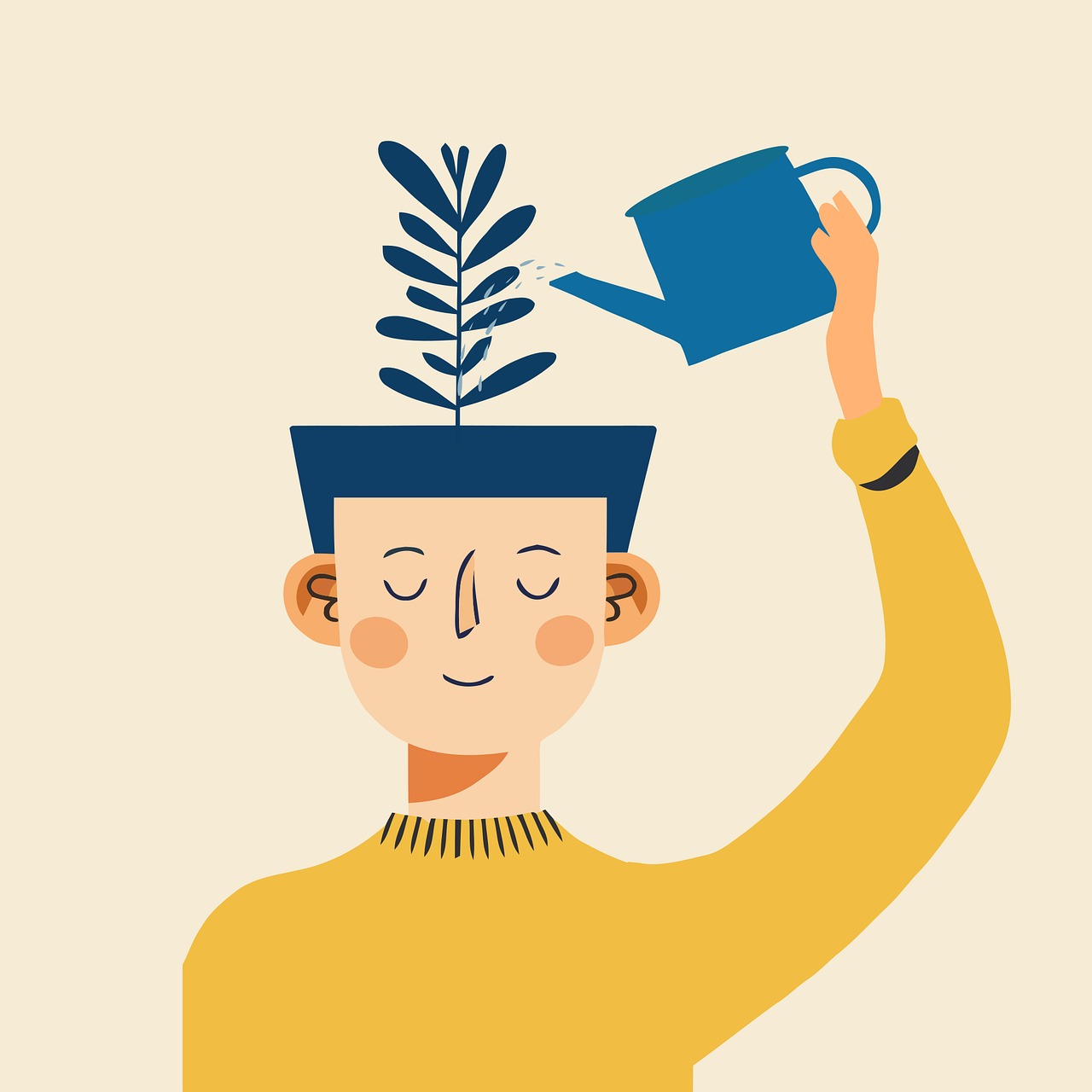
1. Self-Awareness: Understand Your Thoughts, Emotions, and Behaviour
Self-awareness is the ability to recognise your thoughts, emotions, values, strengths, limitations, and behavioural patterns. It helps you understand why you react in certain ways, what influences your decisions, and which habits support or interfere with your goals. Although complete objectivity about ourselves can be difficult, we can improve our understanding through reflection and honest observation.
For example, imagine that you become upset whenever someone criticises your work. Instead of immediately reacting, self-awareness encourages you to pause and ask yourself whether the criticism feels unfair, reminds you of an earlier experience, or touches an insecurity. This pause creates an opportunity to choose a more constructive response.
How to Develop Self-Awareness
- Observe your emotions: Notice what you feel and what situations tend to trigger that emotion.
- Identify recurring patterns: Pay attention to repeated reactions, habits, and relationship difficulties.
- Practise reflective journaling: Write down what happened, how you responded, and what you might do differently next time.
- Question automatic thoughts: Ask whether your interpretation is supported by evidence or influenced by assumptions.
- Invite constructive feedback: Listen to trusted people while remembering that their opinions are perspectives, not absolute facts.
Self-awareness is particularly useful when you want to understand the connection between your thoughts and actions. You can explore this further in our article on how the subconscious mind influences behaviour. Developing this awareness can help you recognise patterns before they become automatic responses.
2. Self-Love: Build Self-Respect Without Losing Sight of Growth
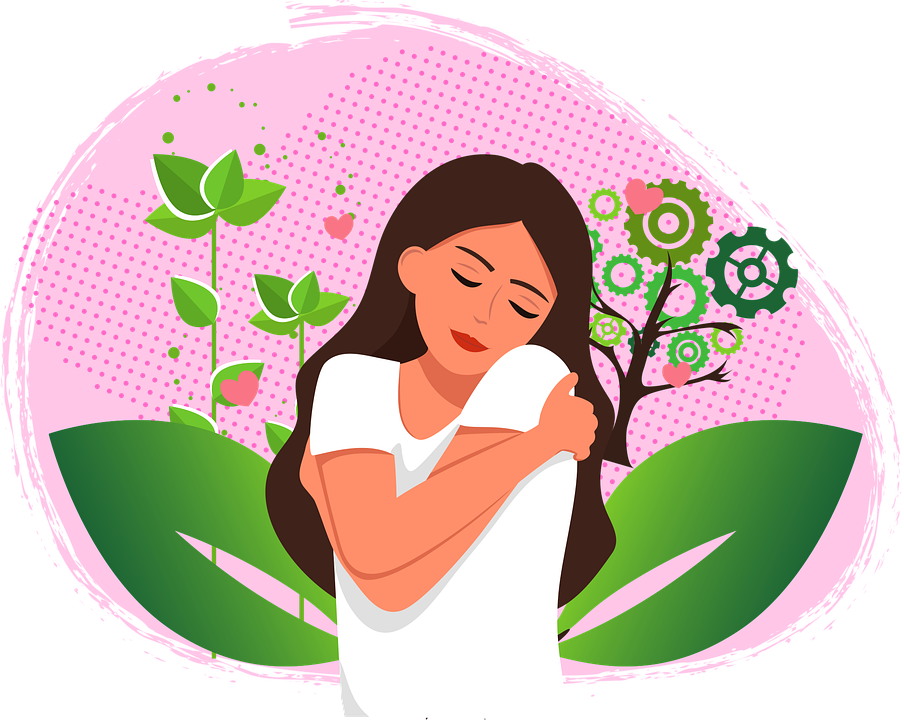
Self-love means treating yourself with respect, compassion, and consideration. It involves recognising your needs, accepting that you have imperfections, and taking responsibility for your choices without constantly attacking yourself. It does not mean believing that you are always right or avoiding personal change. Healthy self-love allows you to acknowledge your mistakes while still recognising your worth.
For instance, if you make a mistake at work, self-criticism may lead you to think, "I am a failure." A healthier response would be, "I made a mistake, and I can learn from it." The second response does not deny responsibility; it makes improvement possible without turning one mistake into a judgement about your entire identity.
Practical Ways to Practise Self-Love
- Use compassionate self-talk: Speak to yourself with the same fairness you would offer someone you care about.
- Set healthy boundaries: Learn to say no when a request conflicts with your genuine needs, capacity, or values.
- Respect your physical needs: Make time for rest, nourishing food, movement, and appropriate healthcare.
- Accept imperfections: Recognise that personal growth and self-acceptance can exist together.
- Reduce unhealthy comparisons: Measure progress against your own values and previous efforts rather than someone else's life.
Self-respect also affects the way you participate in relationships. You can learn more about building healthier connections in our guide to healthy relationship habits and boundaries. Remember that self-love is not selfishness; it is a foundation for making thoughtful decisions about yourself and your relationships.
3. Spirituality: Develop Meaning, Values, and Inner Connection

Spirituality can involve a sense of connection with Allah or a higher power, a search for meaning, moral values, gratitude, and reflection on life's deeper questions. People understand and practise spirituality in different ways according to their beliefs, culture, and personal experiences. For many Muslims, spiritual growth includes strengthening faith in Allah, practising gratitude, engaging in prayer and remembrance, and trying to live with honesty, patience, compassion, and responsibility.
Spirituality does not require ignoring difficult emotions or pretending that every problem has an easy explanation. It can instead provide a framework for responding to uncertainty with patience, maintaining hope during challenging periods, and making decisions that reflect your values.
Ways to Include Spirituality in Daily Life
- Make time for reflection: Consider which values guide your decisions and whether your actions reflect them.
- Practise gratitude: Notice meaningful experiences and the people who contribute positively to your life.
- Strengthen your spiritual routine: Make space for prayer, remembrance, reading, or other practices consistent with your faith.
- Act with compassion: Express your values through kindness, honesty, fairness, and responsibility.
- Accept what you cannot control: Distinguish between what requires your effort and what requires patience and acceptance.
Faith can be a source of comfort and direction, while practical action remains important when dealing with everyday difficulties. Explore our article on how faith can bring change into your life for further reflection on the relationship between belief, choices, and personal growth.
4. Meditation: Train Your Attention and Create Space to Reflect

Meditation is a practice that involves directing attention, observing experiences, or cultivating a particular mental quality, such as awareness or compassion. Depending on the method, it may involve focusing on the breath, repeating a meaningful phrase, observing sensations, or noticing thoughts without immediately reacting to them.
Meditation does not mean that every thought must disappear. Thoughts will naturally arise. The practice is to notice when your attention wanders and gently return it to your chosen focus. With regular practice, some people find it easier to pause, observe their reactions, and respond more deliberately to everyday situations. Results vary, and meditation is not a substitute for professional care when persistent symptoms require treatment.
A Simple Beginner's Meditation Routine
- Choose a quiet, comfortable place where you can sit safely.
- Begin with two to five minutes, keeping your breathing natural and comfortable.
- Notice the sensation of breathing without forcing it to become deeper or slower.
- When a thought distracts you, acknowledge it and gently return your attention to your breath.
- Finish by noticing how you feel and identifying one practical intention for the day.
Consistency matters more than making every session feel perfect. You can also practise brief moments of mindful attention while walking, eating, or completing an ordinary task. The purpose is to become more aware of your experience rather than automatically following every thought or impulse.
5. Lifestyle: Build Habits That Support Your Goals

Your lifestyle is shaped by the routines, choices, surroundings, and activities that make up your everyday life. Sleep patterns, food choices, physical activity, work habits, social connections, and the way you manage your time can all influence how you feel and function. A healthier lifestyle is not about following a perfect routine; it is about building habits that are realistic and sustainable.
Healthy Lifestyle Habits to Start With
- Improve sleep consistency: Aim for a regular sleep and wake-up schedule and give yourself enough time to rest.
- Eat balanced meals: Include a variety of vegetables, fruit, whole grains, pulses, and suitable protein sources according to your needs.
- Stay physically active: Choose movement that fits your ability and circumstances, such as walking, stretching, or other enjoyable activities.
- Drink enough water: Adjust fluid intake to your activity, climate, and individual health needs.
- Manage screen time: Create boundaries around distracting digital habits, especially when they interfere with sleep or responsibilities.
- Organise your day: Identify a few priorities instead of filling every hour with tasks.
- Maintain supportive relationships: Make time for people who respect your boundaries and contribute positively to your life.
Begin with one habit that you can maintain even on a difficult day. For example, a short daily walk or a consistent bedtime may be more useful than an ambitious routine that becomes impossible to follow. If stress is interfering with your everyday habits, our article on stress and its relationship with ageing offers another perspective on well-being and daily life.
6. Health and Fitness: Support Your Body and Everyday Functioning

Health and fitness are important parts of personal development because physical well-being can influence energy, mobility, independence, and the ability to participate in daily activities. Fitness includes several components, such as cardiovascular endurance, muscular strength, muscular endurance, flexibility, balance, and coordination. The importance of each component depends on a person's age, health, abilities, and goals.
Improving fitness does not necessarily mean joining a gym or pursuing an athletic body. Walking regularly, practising suitable strength exercises, maintaining mobility, and gradually increasing activity can be useful starting points. The most appropriate routine is one that matches your current fitness level and can be followed safely.
Practical Steps for Better Physical Well-Being
- Move regularly: Reduce long periods of uninterrupted sitting where possible and include movement in your day.
- Build strength gradually: Use suitable exercises to support muscles and everyday activities.
- Maintain mobility and balance: Choose gentle, appropriate exercises that support comfortable movement.
- Support recovery: Allow time for rest and pay attention to persistent pain, unusual fatigue, or other concerning symptoms.
- Choose sustainable goals: Focus on improvements in strength, stamina, mobility, and general well-being rather than appearance alone.
- Seek appropriate medical advice: Consult a qualified healthcare professional when you have ongoing symptoms or need an exercise plan tailored to a health condition.
Health and fitness are not measured by one number or a particular body shape. Small, consistent improvements can help you develop a healthier relationship with your body and support your broader personal-growth goals.
How to Combine These Six Pillars in Everyday Life
The six pillars work best when they support one another. Self-awareness helps you recognise the habits that need attention. Self-love encourages you to make changes without unnecessary self-criticism. Spirituality can help you stay connected with your values, while meditation offers a structured way to practise attention and reflection. Lifestyle habits and physical activity help translate your intentions into daily action.
You do not need to work on all six areas at once. Choose one small action for the next seven days, observe what helps, and adjust your approach when necessary.
- Self-awareness: Spend five minutes reflecting on one recurring emotional pattern.
- Self-love: Replace one harsh self-judgement with a fair, constructive statement.
- Spirituality: Set aside a few minutes for prayer, gratitude, or reflection according to your beliefs.
- Meditation: Practise a short session of mindful breathing or focused attention.
- Lifestyle: Choose one realistic improvement to your sleep, meals, planning, or screen habits.
- Health and fitness: Add a suitable amount of movement to your daily routine.
At the end of the week, ask yourself three questions: What did I learn about myself? Which habit was easiest to maintain? What is one adjustment I can make next week? These questions help turn personal development into a continuing process of learning rather than a temporary burst of motivation.
Self-Development Is a Journey, Not a Race
Meaningful personal growth develops through awareness, practice, reflection, and patience. There may be periods when progress feels slow or circumstances make routines difficult. That does not mean you have failed. Review your goals, learn from setbacks, and choose a manageable next step.
If emotional distress, relationship difficulties, or persistent stress are affecting your daily functioning, seeking support from a qualified mental health professional can also be a valuable part of self-development. Personal growth does not require you to solve every difficulty alone.
Ultimately, self-development is about becoming more aware of who you are, acting in accordance with your values, caring for your well-being, and making thoughtful choices that support the life you want to build.
Explore Related Articles
- How Self-Development Skills Align with Your Life Purpose — explore how personal growth can connect with meaningful goals.
- How the Subconscious Mind Influences Behaviour — understand the role of thoughts, learned patterns, and automatic responses.
- How Faith Can Bring Change into Your Life — reflect on faith, values, and personal change.
- Healthy Relationship Tips — learn about communication, respect, and boundaries.
- Stress and Ageing — explore stress in the context of health and well-being.
- Counselling: Understanding the Process — learn more about counselling and professional support.
- Psychological Assessment — explore psychological assessment and its role in understanding individual needs.
- Therapeutic Interventions — learn more about approaches that can support psychological well-being.